
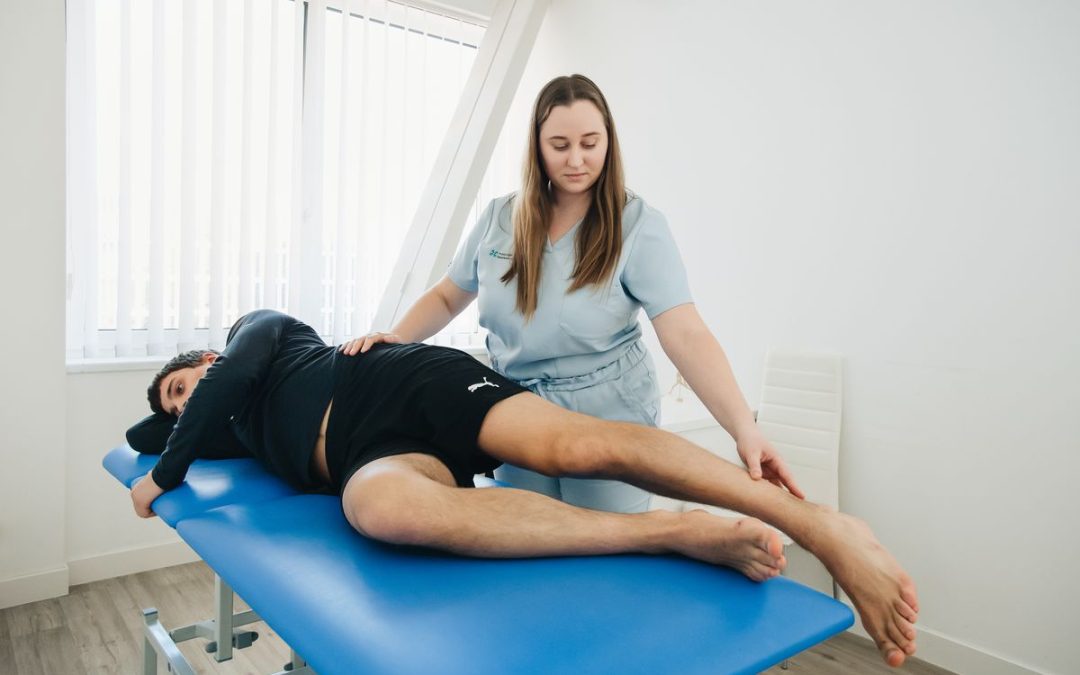
One study of physical therapy for chronic pain found an attendance rate of 73 percent and a self-discharge rate of 55 percent. Acquisition is only half the problem.
Key Takeaways
- Physical therapy utilization for low back pain is low – published estimates put the share of patients receiving PT within 90 days in the single digits to mid-teens depending on the population studied.
- Research has associated early initiation of physical therapy for acute low back pain with reduced downstream imaging, injections, surgery, opioid use, and total episode cost.
- One JOSPT Open study of 200 patients with chronic pain reported a 73 percent attendance rate and a 55 percent self-discharge rate before completion of the plan of care.
- All 50 states, DC, and the U.S. Virgin Islands now allow some form of direct access, which makes patient-initiated care a legitimate acquisition channel alongside physician referral.
The growth problem in outpatient physical therapy is usually framed as a marketing problem, and it usually is not one. Two published findings reframe it more usefully. First, physical therapy is substantially under-utilized for the conditions it treats best – published analyses of low back pain populations put the share of patients receiving physical therapy within 90 days of presentation somewhere between the single digits and the mid-teens, depending on the cohort and the data source. Second, a considerable share of the patients who do arrive never finish. A JOSPT Open study of 200 patients receiving physical therapy for chronic pain reported an attendance rate of 73 percent and a self-discharge rate of 55 percent – meaning most of those patients left before completing the plan of care.
Put those together and the shape of the opportunity changes. The constraint is not that nobody knows you exist. It is that a large population who would benefit is never routed to you, and a large share of those who are routed to you do not stay long enough to get the outcome that would have generated the next referral. Both are operational problems with operational fixes, and neither is solved by a larger advertising budget.
There is also a capacity caveat worth stating up front. APTA’s 2024 outpatient benchmark survey found a 9.5 percent vacancy rate against a 4.8 percent national average, with roughly 13 percent of PT and PTA positions open. Referral development that outruns your ability to schedule the resulting patients within a reasonable window does not produce growth. It produces a waitlist, a longer time to first visit, and a referring physician who stops sending. Sequence capacity before demand.
What Actually Persuades a Referring Physician
Referral development in physical therapy is frequently taught as relationship work – lunches, drop-ins, a liaison with a route. Relationships matter, but they are the delivery mechanism, not the argument. The argument is clinical evidence about the patient’s trajectory, and it is unusually strong in this specialty.
Research on acute low back pain has associated early initiation of physical therapy with meaningfully reduced downstream utilization. Work published in Physical Therapy found that patients receiving physical therapy within days of presentation were less likely to use advanced imaging, opioid medication, and specialist visits, and incurred lower costs for pain medication and imaging. A separate analysis of early and guideline-adherent physical therapy following acute nonspecific low back pain reported substantially lower costs and reduced use of advanced imaging, injections, surgery, and opioids over a two-year period. Johns Hopkins researchers reported in 2022 that early initiation was associated with less resource use across imaging, specialty visits, epidural steroid injections, and emergency department visits.
That is a referral conversation with content. It is also a conversation most PT practices never actually have, because the liaison visit is built around bagels and business cards rather than around a one-page summary of what happens to a referring physician’s patients when they arrive within a week instead of within six.
A referring physician is not choosing a clinic. They are choosing what happens to their patient and how much of it comes back to their inbox.
Close the Loop or Lose the Source
The single most reliable referral-development tactic in outpatient physical therapy is also the least glamorous: send the referring provider a short, readable report on the patient they sent. Initial findings within a few days. A brief progress note at a defined interval. A discharge summary with the outcome measure and the functional result. Most practices either send nothing or send an unreadable EMR export that no one opens.
Three design points make the difference. Keep it to one page, because a physician reading between patients will not scroll. Lead with the functional outcome and the disposition, not the intervention list. And make it automatic – a workflow triggered by evaluation and discharge, owned by a named person, rather than a good intention held by whichever therapist has time. A practice that reliably closes the loop on every referral will out-compete a practice with a better liaison and no reporting, every time.
Direct Access Is a Channel, Not a Slogan
As of July 1, 2025, all 50 states, the District of Columbia, and the U.S. Virgin Islands provide some form of direct access to physical therapist services for evaluation and treatment, with 21 states unrestricted and 29 plus DC and USVI provisional. That makes patient-initiated care a legitimate acquisition channel rather than an advocacy talking point.
Treating it as a real channel means treating it like one. That is a searchable web presence organized around the conditions people actually type, a booking path that does not require a phone call during business hours, an intake script that handles the “do I need a referral” question accurately for your state, and a documented workflow for the provisional limits your state imposes – visit caps, day limits, or referral requirements tied to specific procedures. Practices that announce direct access without building the booking path see nothing change, then conclude the channel is weak.
Attendance Is the Cheapest Growth Available
Given the attendance and self-discharge figures above, the highest-return work in most outpatient PT practices is not acquiring the next referral. It is completing the episodes already on the schedule. A patient who completes a plan of care produces more revenue, a better outcome, a more persuasive report to the referring provider, and a far higher probability of referring someone else. A patient who disappears at visit four produces none of that and consumes the same intake labor.
- Measure arrival rate and completion rate separately, by therapist and by referral source. They fail for different reasons and the aggregate hides both.
- Set expectations at the evaluation. The number of visits, the expected duration, and what the patient’s total cost will be. Uncertainty about cost is a leading cause of quiet disappearance, and it is entirely within your control to remove.
- Build a named reactivation workflow. A patient who misses two consecutive visits gets a call from a person, not a text from a system, within 48 hours. This is a staffing decision, not a software purchase.
- Schedule the next visit before the patient leaves the building. Every time, without exception. It is the oldest advice in outpatient care because it remains the most effective.
From the Field
A two-clinic physical therapy practice in the Mountain West had hired a full-time referral liaison and, after a year, could not demonstrate that referral volume had moved. The review found two things. Referral source attribution was unreliable – roughly a third of new patients were coded to a generic source in the practice management system, so the liaison’s route had never been evaluated against anything. And the practice was completing barely half of the plans of care it started, which meant the referring physicians who did send patients were seeing incomplete episodes and mixed results. Rather than deliver a marketing recommendation, our fractional COO engagement rebuilt source attribution at intake and retrained the front desk on capturing it, built a one-page automated evaluation-and-discharge report to referring providers, and installed a two-miss reactivation call owned by a named staff member. Plan-of-care completion improved by roughly 14 percentage points over two quarters, and for the first time the practice could show which referral relationships were actually producing.
Advice, Execution, and Choosing Between Them
A consultant can build the referral strategy, design the outcome report, map the direct-access booking path, and hand you a well-constructed plan. If you have a practice manager or marketing lead with the bandwidth to implement it, that is often the better value and the more economical choice, and we will tell you so rather than propose something larger.
Referral programs rarely fail on strategy. They fail because nobody rebuilt the intake question that captures the source, nobody sat with the front desk while they practiced asking it, and nobody owned the reactivation call in month five. A fractional executive does the same analysis and then works inside the practice to do that – retraining the desk, standing up the reporting workflow, and reviewing attribution data monthly until it is trustworthy enough to make decisions from.
One caution on the market. “Fractional executive” is an unregulated label, and some firms sell ordinary consulting under it. The test is straightforward: ask whether the person will be working in your practice management system with your staff, or delivering a plan and leaving deployment to you. Both are legitimate services and either may be right for you. You should simply know which one you are buying.
Sources
- Physical Therapy (PTJ), 2018, Immediate Physical Therapy Initiation in Patients With Acute Low Back Pain Is Associated With a Reduction in Downstream Health Care Utilization and Costs — https://academic.oup.com/ptj/article/98/5/336/4925488
- Fritz JM, et al., BMC Health Services Research (2015), Implications of early and guideline adherent physical therapy for low back pain on utilization and costs — https://www.ncbi.nlm.nih.gov/pmc/articles/PMC4393575/
- Johns Hopkins Medicine (August 2022), Early Physical Therapy Associated With Less Health Care Resource Use for Patients With Acute Lower Back Pain — https://www.hopkinsmedicine.org/news/newsroom/news-releases/2022/08/early-physical-therapy-associated-with-less-health-care-resource-use-for-patients-with-acute-lower-back-pain
- JOSPT Open (2024), Factors Associated With Physical Therapy Attendance Rate and Self-Discharge in People With Chronic Pain — https://www.jospt.org/doi/10.2519/josptopen.2024.1136
- APTA, State of Direct Access to Physical Therapist Services (2025) — https://www.apta.org/apta-and-you/news-publications/reports/2025/state-of-direct-access-to-physical-therapist-services
- APTA and APTA Private Practice, Report on Hiring Challenges in Outpatient Physical Therapy Practices (October 2024) — https://www.apta.org/article/2024/10/16/report-on-hiring-challenges-2024
More in the Physical Therapy Series
- Units Per Visit Is the Only Productivity Number That Pays You — the unit-level economics that decide whether a busy clinic is also a profitable one.
- Why Your Best Physical Therapist Is Taking Recruiter Calls — the compensation structure that decides whether you keep the therapists you already trained.
- Building a Cash-Pay Line in a Practice That Still Takes Insurance — how to price and staff a self-pay line without stepping into the Medicare rules that govern it.
- Sixty-One Percent: What OIG Found in Outpatient PT Claims — the certification, threshold, and documentation mechanics that decide whether a paid claim stays paid.